Forkbeard
Phycis phycis
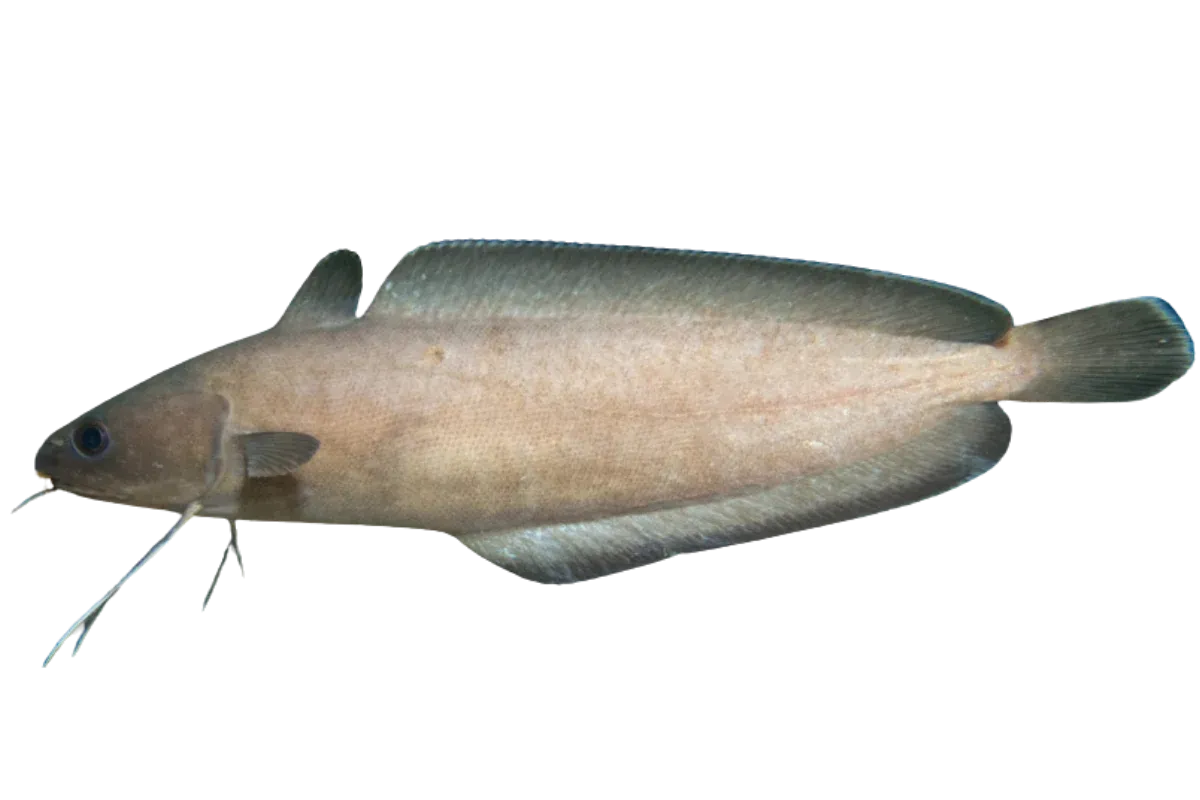
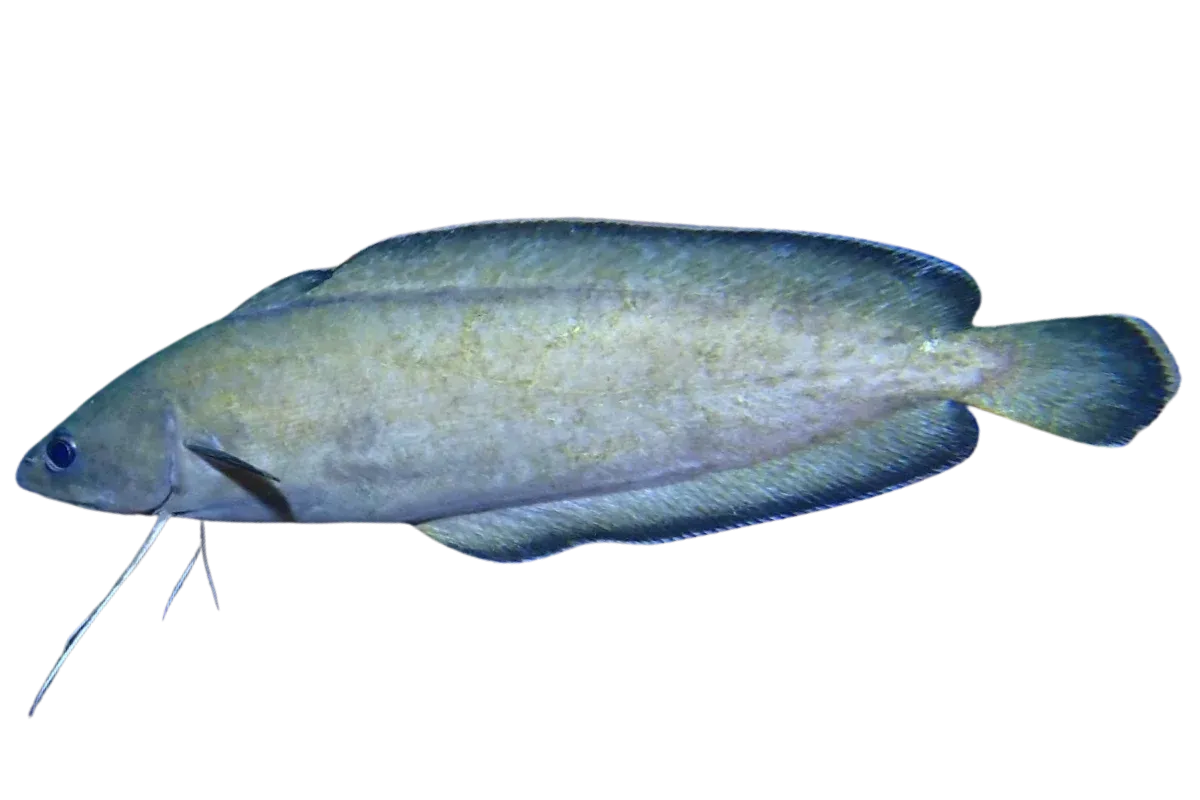
The Forkbeard, which is also widely known as the Brown Phycis or the Mediterranean Cod, is a very common bottom-dwelling fish of the regional seas. It belongs to the Phycidae family and is a close relative of the European Hake. The body is elongated and robust, covered with very slimy skin, which is dark brown or grey on the back and lighter on the belly.
The most characteristic feature distinguishing it from the related Shore Rockling is its barbels. The Forkbeard has only one thick and fleshy barbel exactly under its jaw, while the Shore Rockling has three. Additionally, the pelvic fins of the Forkbeard have been transformed into two very long and forked threads that reach the beginning of the anal fin and function as sensory organs of touch to locate food in the dark.
Habitat
This is a benthopelagic species that lives near the seabed. It prefers rocky bottoms with many crevices and caves, as well as mixed bottoms where rocks meet sand or mud. The depth at which it is encountered usually ranges from 100 to 200 metres, although it has been recorded from very shallow waters of 13 metres to depths of 650 metres. It is a strictly nocturnal species. During the day, it remains hidden deep inside its shelters and comes out only at night to hunt.
Diet
The animal is an active nocturnal predator. It feeds mainly on small fish and various invertebrates, such as shrimp, crabs, and worms, which it detects by feeling the bottom with its specialised pelvic fins and barbel.
Reproduction
Reproduction of the Forkbeard in the Mediterranean takes place from January to May. It is a species with relatively slow growth and a long life span. Research showed that females reach sexual maturity at approximately 31 centimetres, while males mature slightly earlier at 33 centimetres.
Fisheries
It is caught mainly as bycatch by set nets, bottom trawlers, and deep longlines or handlines, especially at night. Although the meat is soft and tasty, it has little commercial value and is often sold cheaply or used in fish soup.
Research
The International Union for Conservation of Nature classifies the Forkbeard as a species of Least Concern. Scientific studies in Portugal and the Adriatic showed that its diet changes as it grows. Young individuals feed mainly on small crustaceans, while adults turn more towards fish consumption. It has also been observed that the fish does not migrate but remains loyal to its specific area.