Mediterranean Sand Eel
Gymnammodytes cicerelus / Ammodytes tobianus
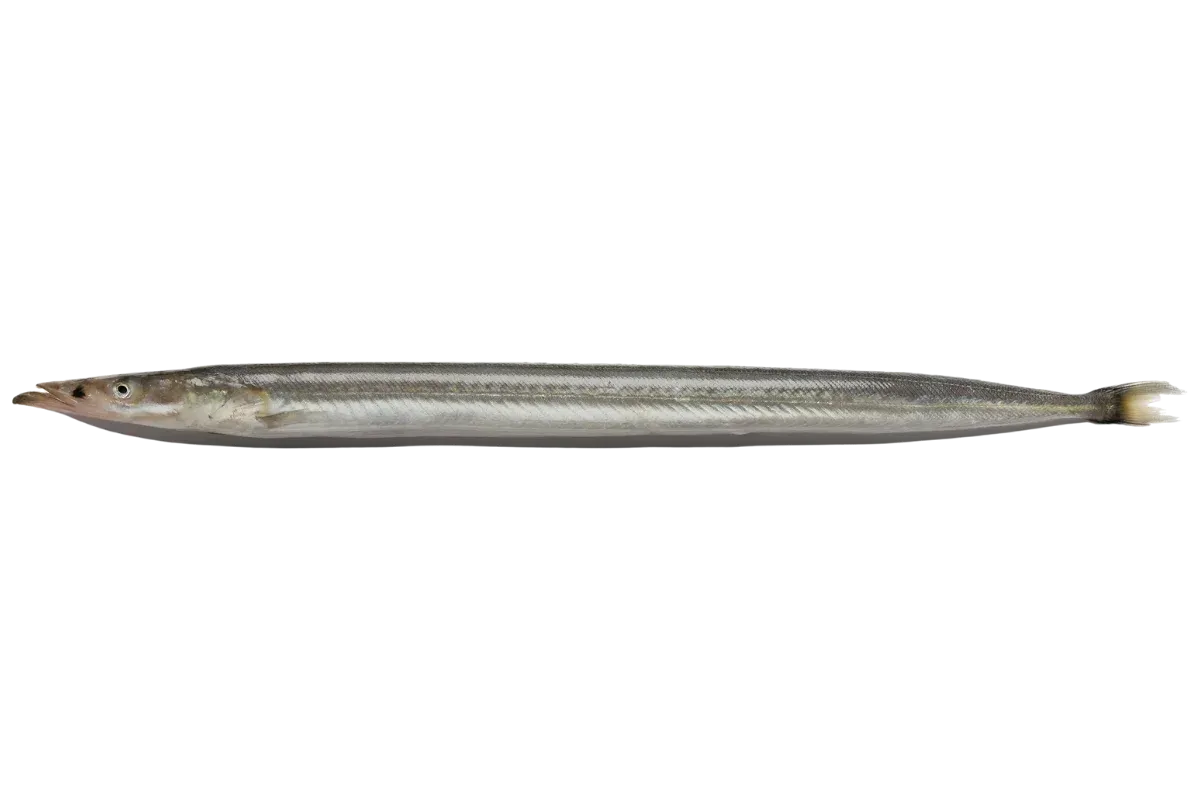
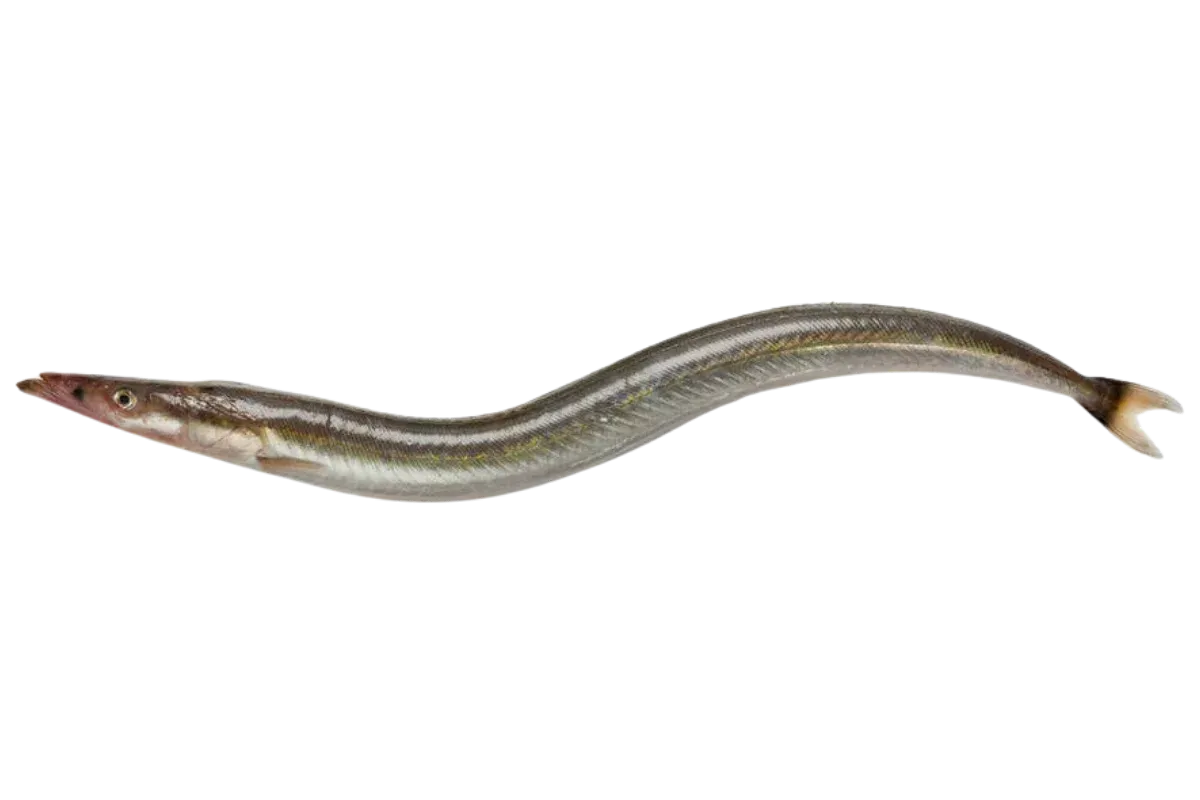
The Mediterranean Sand Eel is a small, elongated fish that resembles a tiny eel or a needlefish. The body is cylindrical and slender, with a pointed snout in which the lower part protrudes more than the upper part. The colour is usually olive green or brown on the back and silvery on the belly, providing camouflage on the seabed. One key difference between the two species is that the Mediterranean variety has no body scales except on the tail, while the smaller variety is covered in scales.
Habitat
This is a fish that lives exclusively on sandy seabeds near the coast. It is found from very shallow waters of just a few centimetres to depths of 120 metres. It exhibits a unique behaviour: it quickly buries itself in the sand to hide from predators or to rest at night and throughout the winter, when it is not swimming in schools to feed.
Diet
The species is a carnivore that feeds primarily on zooplankton. Its diet includes microscopic crustaceans such as copepods along with fish eggs and larvae. It hunts during the day by forming large schools within the water column.
Reproduction
Reproduction occurs during the winter months, usually from November to February. Females lay their eggs directly on the sand grains, where they stick until they hatch.
Fisheries
The sand eel has significant commercial value in certain Mediterranean regions, such as Spain and Italy, where it is served fried whole. In other areas, it is primarily used as one of the best live baits for catching large predatory fish such as sea bass and common dentex because it is very hardy and stays active on the hook.
Research
The IUCN classifies the Mediterranean variety as a species of Least Concern. Scientific research has shown that it is a vital link in the food chain because it is the primary food source for many seabirds and larger fish. Studies in the Aegean Sea showed that juveniles appear in large numbers during December when the sea temperature falls below 16 degrees Celsius.