Atlantic Tripletail
Lobotes surinamensis
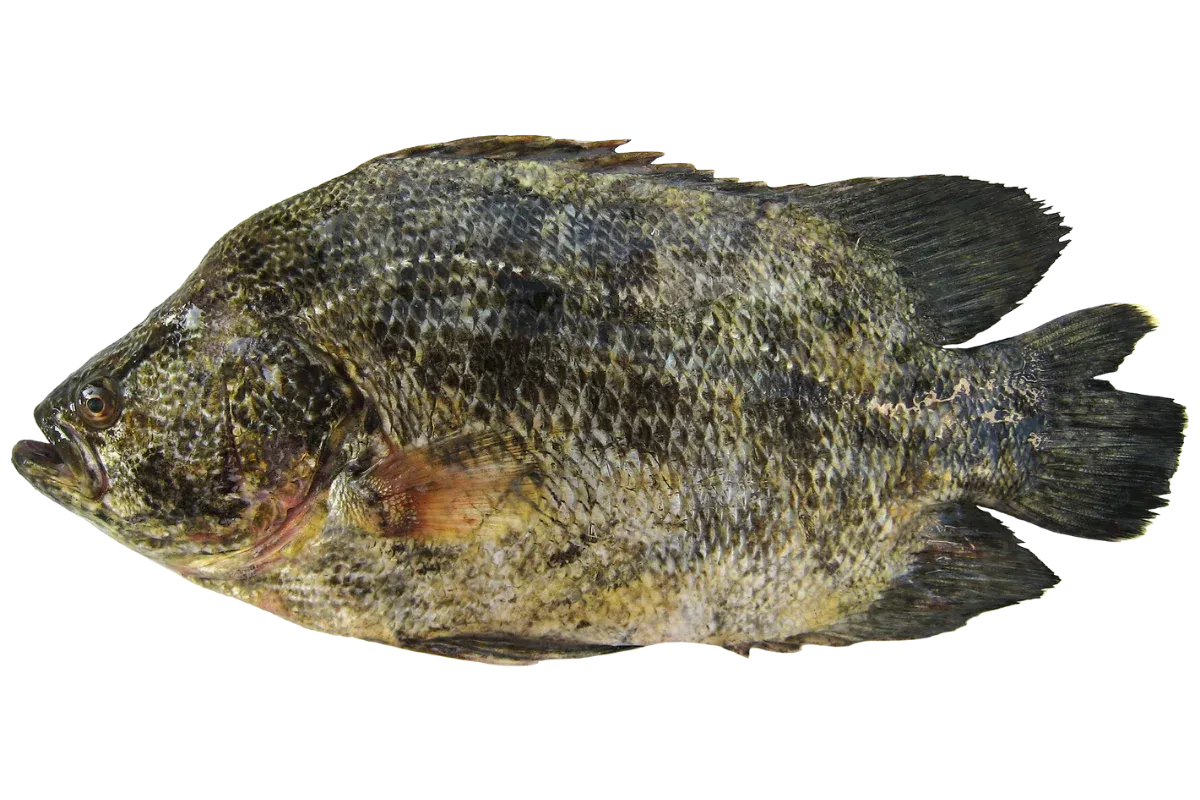
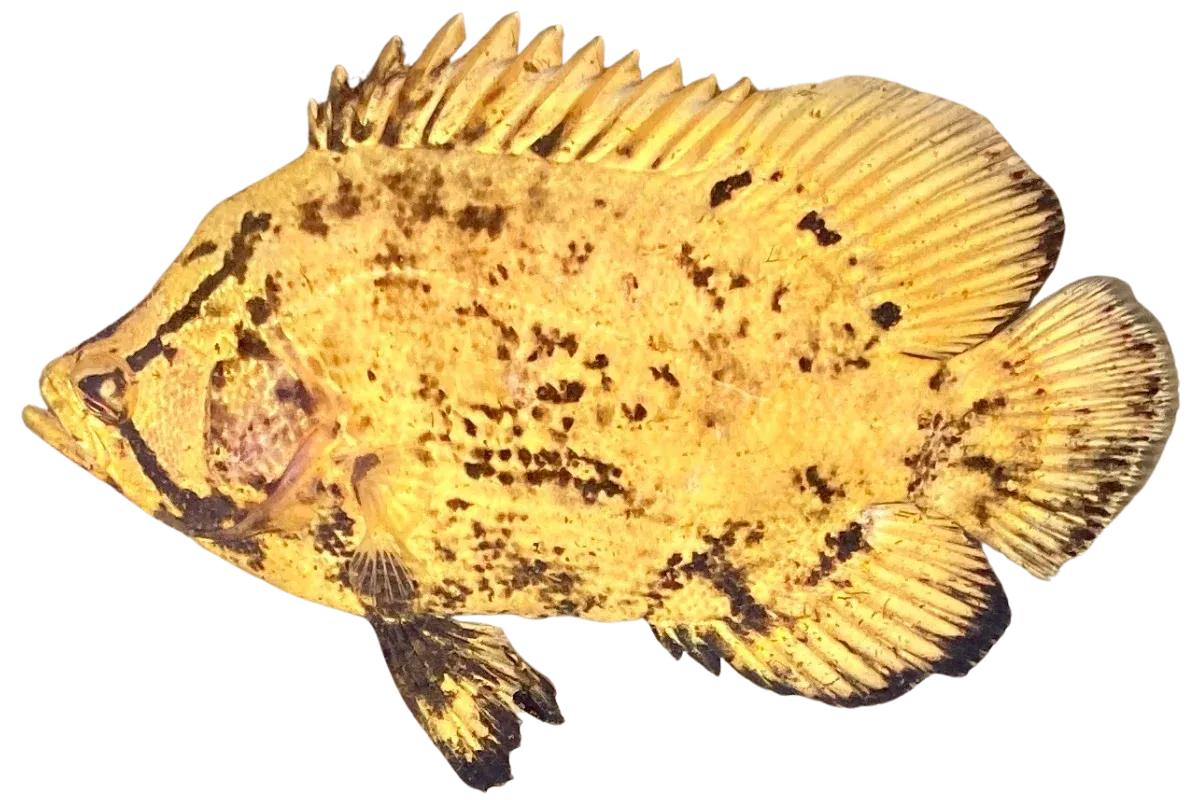
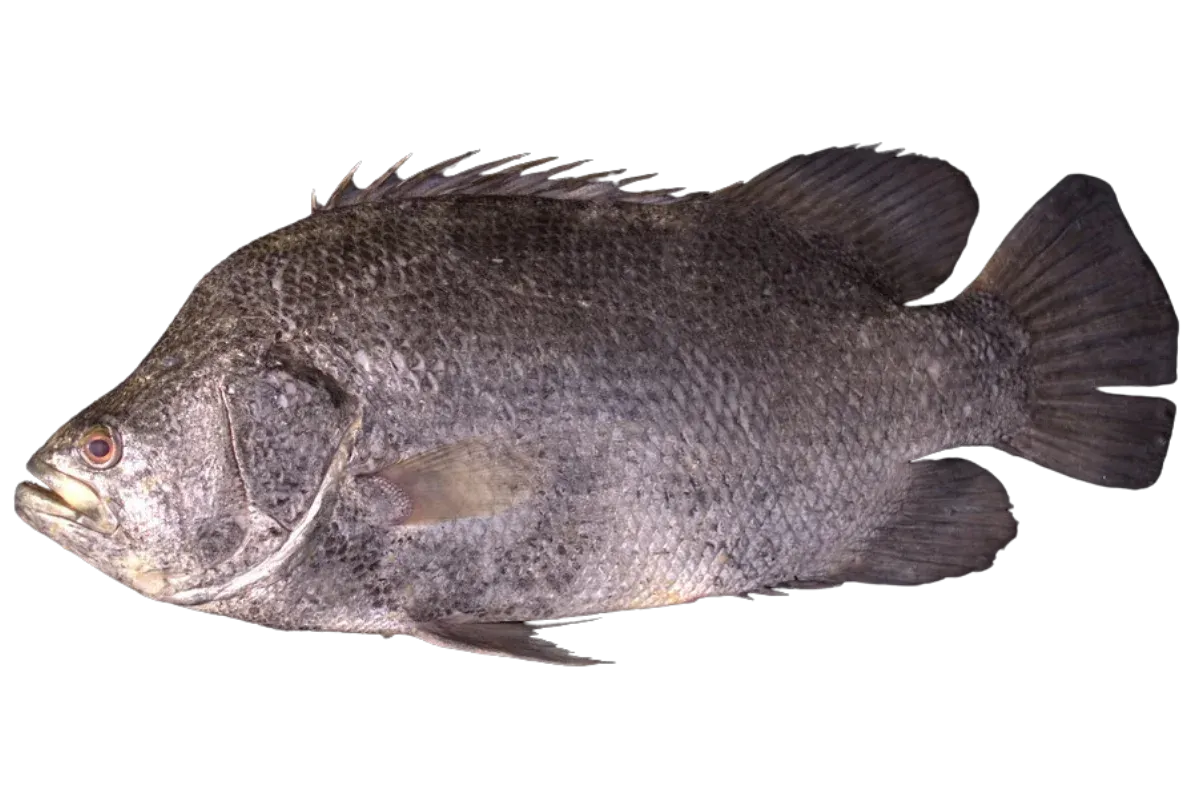
The Atlantic Tripletail is one of the most unique and recognisable fish that can be encountered in regional seas, even though it is considered quite rare. The name Tripletail, used internationally, perfectly describes its appearance. The dorsal and anal fins are large and rounded, and positioned very far back on its body, almost next to the tail. This creates the optical illusion that the fish has three tails instead of one. The body is high and compressed on the sides with a colour that varies from olive and brown to almost black, depending on the environment and its mood.
Habitat
This is a pelagic species that prefers warm waters and is found in tropical and subtropical seas worldwide. Its presence in the Mediterranean was previously rare, but it has been observed more frequently in recent years. It is peculiar in that it swims very close to the surface and loves to follow or hide under floating objects such as wood, buoys, or even boats.
Diet
The animal is a cunning and opportunistic predator. It feeds primarily on crustaceans such as crabs and shrimp, as well as small fish that approach the objects under which it hides. It uses the cover of floating objects to set ambushes for its prey while attacking with lightning speed.
Reproduction
Breeding takes place during the summer months, when the water temperature is high, usually from July to September. It is an oviparous species and lays its eggs in the open sea, which are pelagic and transported by currents.
Fisheries
Due to its rarity, it is not a target of systematic fishing in the Mediterranean, but it is occasionally captured by fishers targeting other species, such as the common coryphaena or the amberjack. The meat is considered exceptional in quality, white, and very delicious, and it is a choice delicacy in many parts of the world.
Research
The International Union for Conservation of Nature classifies the species as Least Concern globally. The most impressive research finding concerns the behaviour of young individuals. Small tripletails can perfectly mimic dry tree leaves floating in the water. They tilt their bodies to the side and take on a yellowish or brown colour, and allow themselves to be carried by the current. In this way, they deceive both their predators, who pass them by indifferently, and their prey, who approach them unsuspecting. Scientists link the increase in records in the Mediterranean to rising water temperatures due to climate change.