Black Seabream
Spondyliosoma cantharus
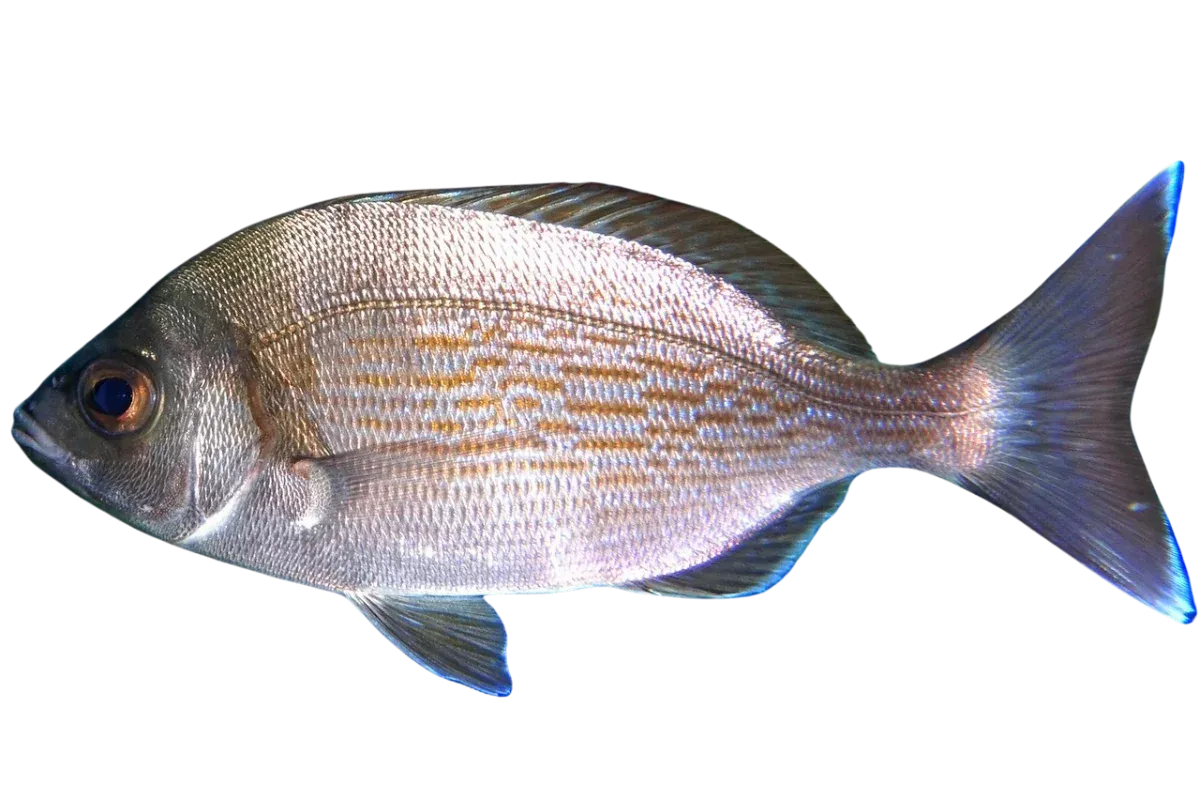
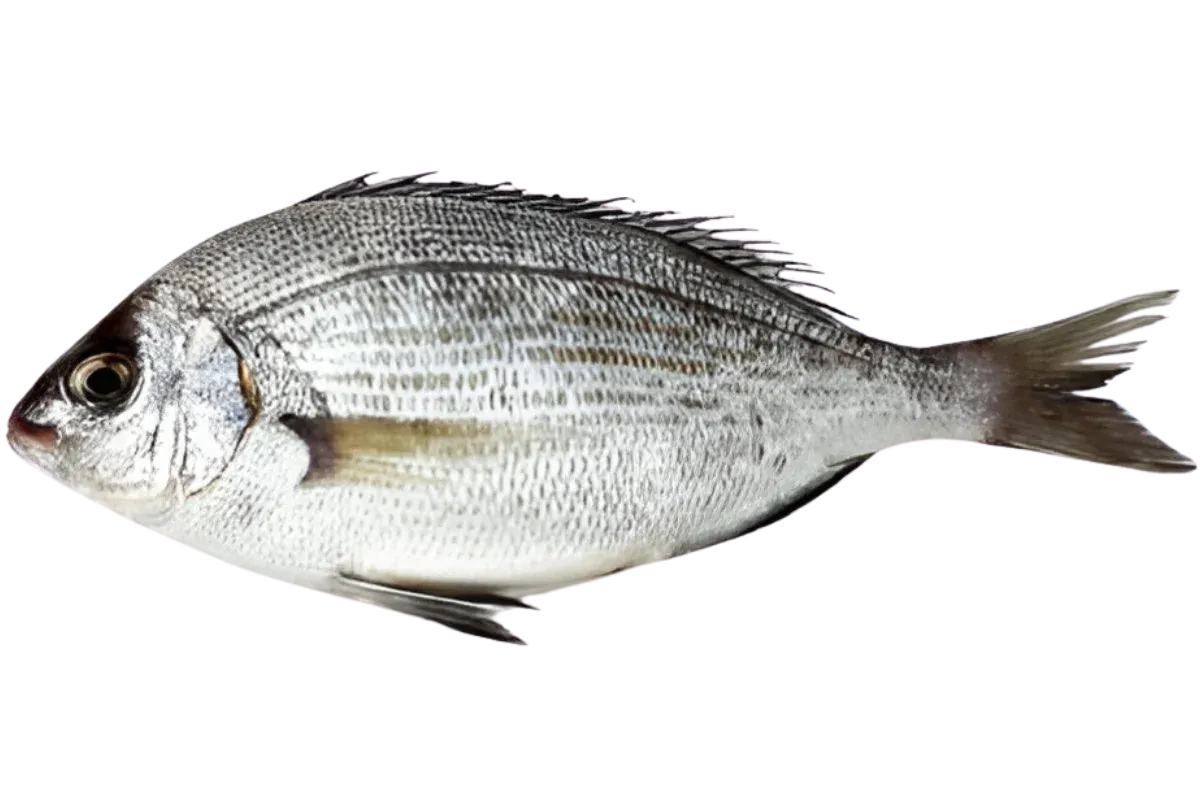
The Black Seabream, which is also commonly referred to as the Cantar or the Old Man, is one of the most recognisable and common fish of the Sparidae family in the Mediterranean. It is known by many regional names because of its distinct appearance. The body is exceptionally high and compressed laterally, taking on a shape almost like a disc. Its mouth is small but equipped with very sharp, backwards-pointing teeth.
The most impressive characteristic involves the radical change in its appearance depending on sex and age. Females and young individuals have a silver grey colour with characteristic golden horizontal lines along the body. Mature males, especially during the breeding season, are transformed, acquiring a deep, dark blue colour that approaches black, with intense electric blue shades on the head and back. These large black individuals are often called grandfathers by local fishers.
Habitat
It represents a social species that lives both near the bottom and in the open water. It lives in schools that can be large and often mix with other species, such as white and saddled seabreams. It prefers rich seabeds where rocks alternate with sand and Posidonia seagrass meadows. The depth where it is encountered usually ranges from 10 to 100 metres, although larger individuals have been spotted deeper.
Diet
The animal is an omnivorous fish with a particular preference for plant food, which differentiates it from many of its relatives. A large part of its diet consists of algae, which it scrapes from the rocks with its sharp teeth. It supplements its diet with small benthic invertebrates such as worms, shrimp, and molluscs.
Reproduction
The reproductive behaviour of the Black Seabream is unique within the family Sparidae. It is a protogynous hermaphrodite species, meaning it is born as a female and changes sex to male when it reaches approximately 20 centimetres. Reproduction occurs from February to May.
In contrast to other fish in the family that lay their eggs freely in the water, the male Black Seabream digs a nest in the sand using its tail. After the female lays the eggs in the nest, the male remains there and aggressively guards them, driving away any intruders until they hatch.
Fisheries
It represents a very popular catch and has significant commercial value. It is caught professionally with set nets, longlines, and bottom trawlers. For recreational fishers, it is an easy and pleasant catch with handlines because it is greedy and bites readily. The meat is white, soft, and very delicious, and it is ideal for grilling or soup, but it must be consumed very fresh because the flesh softens quickly after capture.
Research
The International Union for Conservation of Nature classifies the Black Seabream as a species of Least Concern due to its wide distribution. Scientific studies have focused on the unique parental care exhibited by males, demonstrating that this strategy significantly increases egg survival rates. Furthermore, research has shown that colour change in males plays a decisive role in communication and dominance within the school during the breeding season.